Maryland High School Students Win 2015 ConSource-Harlan Institute Virtual Supreme Court Competition
June 9, 2015
Maryland High School Students Win 2015 ConSource-Harlan Institute Virtual Supreme Court Competition
High School Students Argue Case of Zivotofsky v. John Kerry, Secretary of State
WASHINGTON, DC — Building on the success of the 2013 and 2014 Virtual Supreme Court project, the Harlan Institute and The Constitutional Sources Project (ConSource) hosted the third annual Virtual Supreme Court competition. This competition offers teams of two high school students the opportunity to research cutting-edge constitutional law, write persuasive appellate briefs, argue against other students through video chats, and try to persuade a panel of esteemed attorneys during oral argument that their side is correct. This year the competition focused on Zivotofsky v. Kerry.
Students from around the country submitted appellate briefs and participated in virtual oral argument aimed at addressing the constitutional question – Is the President’s recognition power subject to control by the Congress?
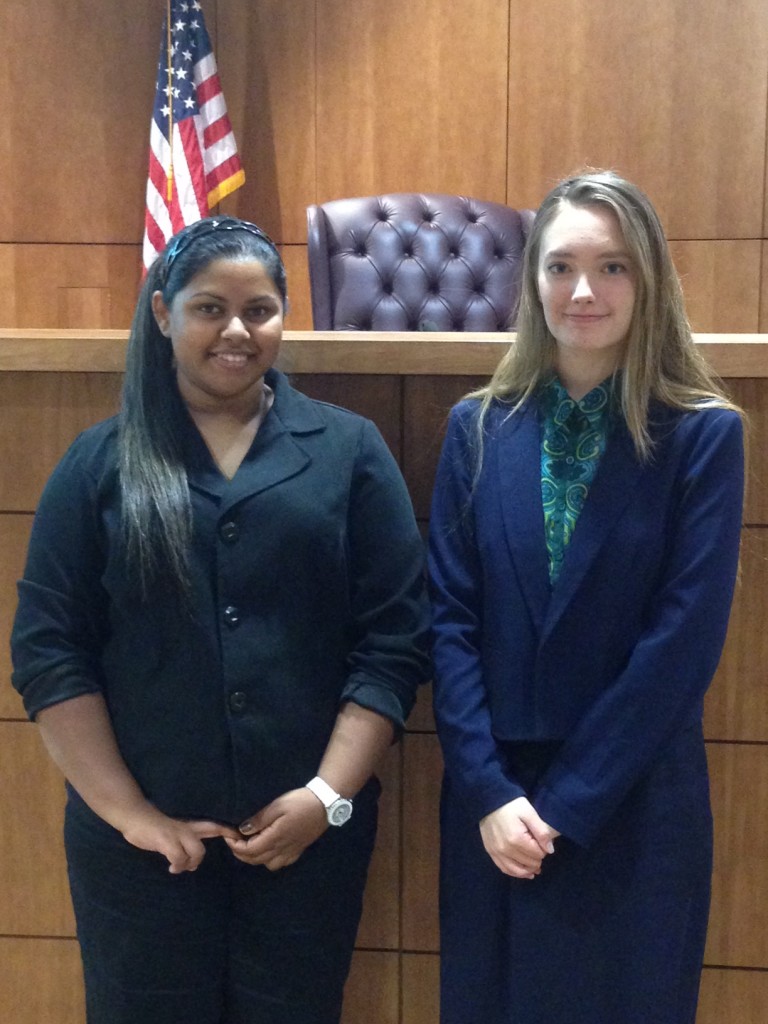
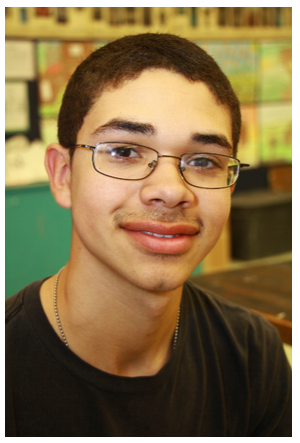
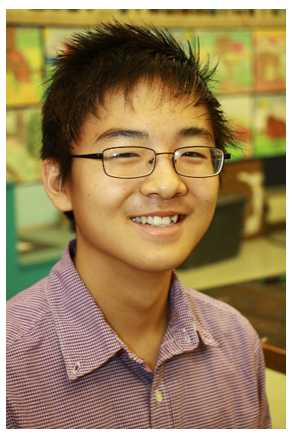
In the championship round of oral argument, petitioners were represented by David Edimo and Nick Peang-Meth from Richard Montgomery High School in Rockville, MD, and petitioners were represented by Ammas Tanveer and Max Groznik from Lake Oswego High School in Oswego, Oregon. The competition was fierce, but the petitioners David and Nick prevailed, becoming the Solicitors General of FantasySCOTUS. David and Nick, along with their teacher, will travel to Washington, DC to participate in ConSource’s Seventh Annual Constitution Day Celebration in September 2015.
You can view the championship round of oral argument here: https://youtu.be/VIh7mqrFlbU
All of the students and teachers who participated in the program should be applauded for their hard work and dedication. The teachers at Richard Montgomery High School and Mr. Gerrit Koepping of Lake Oswego High School should be saluted for going above and beyond to prepare their students for the competition. We also commend the finalist teams from Frisco CTE Center (TX), Del Valle High School (TX), Wicomico High School (MD), and Elkins HS (WV) for their excellent efforts. Please join us in congratulating the participants and their wonderful teachers.
 Information about the Harlan Institute-ConSource Virtual Supreme Court Competition is available at: https://harlaninstitute.org/contests/virtual-supreme-court/.
For questions or further information, please contact Josh Blackman, President of The Harlan Institute, at JBlackman@HarlanInstitute.org or Julie Silverbrook, Executive Director of ConSource, at Julie.Silverbrook@ConSource.org.
Information about the Harlan Institute-ConSource Virtual Supreme Court Competition is available at: https://harlaninstitute.org/contests/virtual-supreme-court/.
For questions or further information, please contact Josh Blackman, President of The Harlan Institute, at JBlackman@HarlanInstitute.org or Julie Silverbrook, Executive Director of ConSource, at Julie.Silverbrook@ConSource.org.
Information about the Harlan Institute-ConSource Virtual Supreme Court Competition is available at: https://harlaninstitute.org/contests/virtual-supreme-court/.
For questions or further information, please contact Josh Blackman, President of The Harlan Institute, at JBlackman@HarlanInstitute.org or Julie Silverbrook, Executive Director of ConSource, at Julie.Silverbrook@ConSource.org.
 Building on the success of the
  ConSource Executive Director Julie Silverbrook believes “the Competition is an excellent opportunity for high school students to develop core civic and constitutional literacy skills. Students are required to read the text of the Constitution, explore the history behind a contemporary constitutional dispute, and construct persuasive arguments. We know that experiences like the Virtual Supreme Court Competition leave a lifelong impression on participating students and encourages them to stay informed and engaged throughout their lives.”
 Teachers interested in participating should sign up at
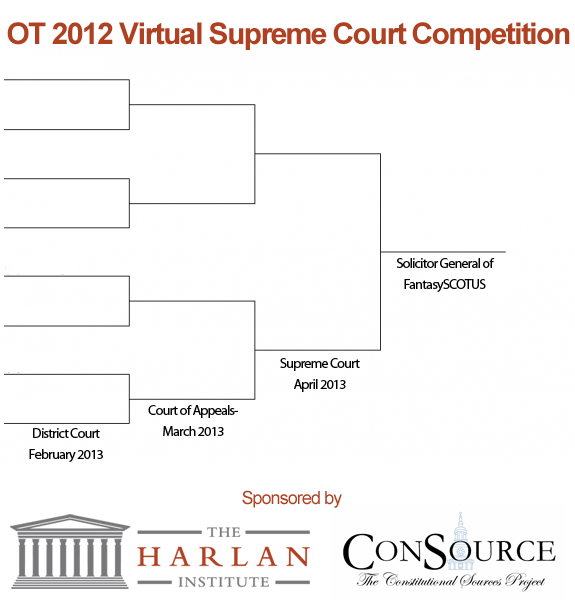
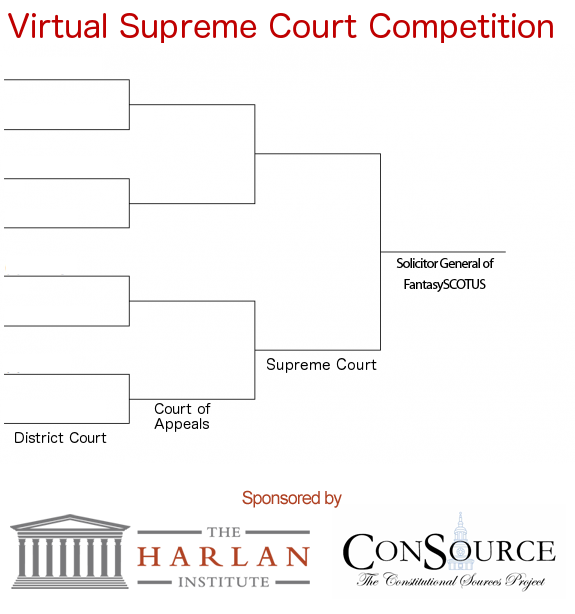
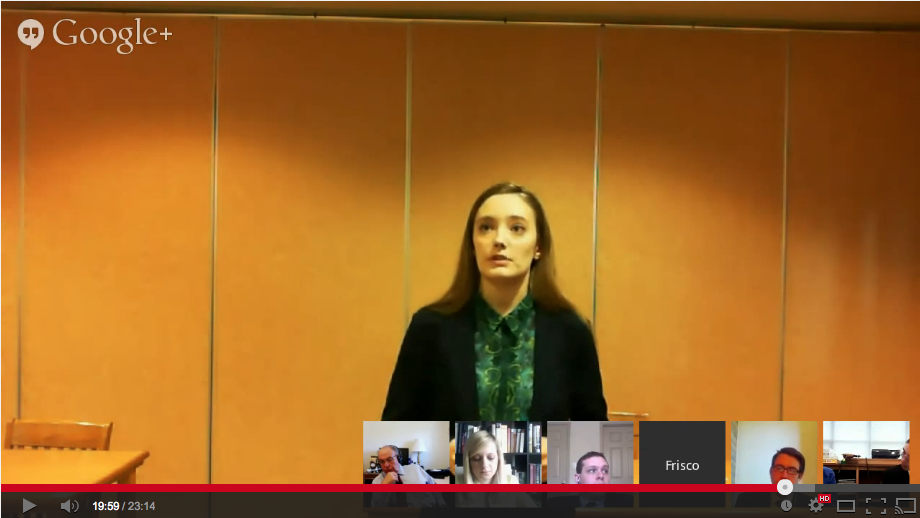
 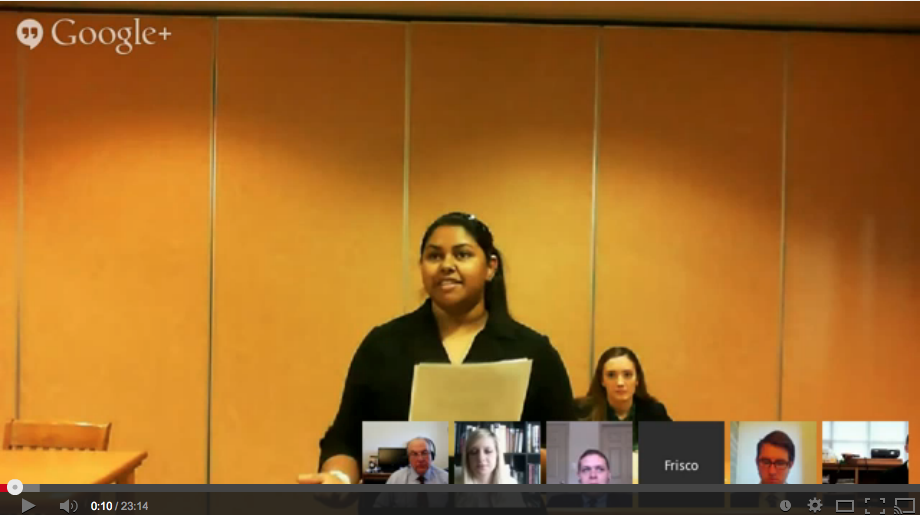 We received over 100 excellent submissions from high school students across the country. We were able to narrow down our brackets to four teams. Each team participated in oral arguments over Google+ Hangouts. Our engaged judges asked the students tough and challenging questions, and they had to think on their feet. In the end, we were extremely impressed with all of the winners.
Here are the final standings of the teams:
We received over 100 excellent submissions from high school students across the country. We were able to narrow down our brackets to four teams. Each team participated in oral arguments over Google+ Hangouts. Our engaged judges asked the students tough and challenging questions, and they had to think on their feet. In the end, we were extremely impressed with all of the winners.
Here are the final standings of the teams:
 Congratulations to all the students. Also, congratulations to their excellent teachers. Ben Ewald at Frisco CTE, Christina Murray at Wicomico High School, and Michael Cunningham at Del Valle HS. We are so proud of these educators who inspire their students to accomplish great things.
Also, we extend our deepest thanks to our excellent judges who graciously volunteered their time to help judge the competition: Bryan Gividen, Timothy Huffstutter, Carl Cecere, and Lawrence Dietz. And always, my deepest thanks to my colleague and friend, Julie Silverbrook, the Executive Director of Consource for her tireless work in promoting constitutional education.
If you like our programs, please consider
Congratulations to all the students. Also, congratulations to their excellent teachers. Ben Ewald at Frisco CTE, Christina Murray at Wicomico High School, and Michael Cunningham at Del Valle HS. We are so proud of these educators who inspire their students to accomplish great things.
Also, we extend our deepest thanks to our excellent judges who graciously volunteered their time to help judge the competition: Bryan Gividen, Timothy Huffstutter, Carl Cecere, and Lawrence Dietz. And always, my deepest thanks to my colleague and friend, Julie Silverbrook, the Executive Director of Consource for her tireless work in promoting constitutional education.
If you like our programs, please consider 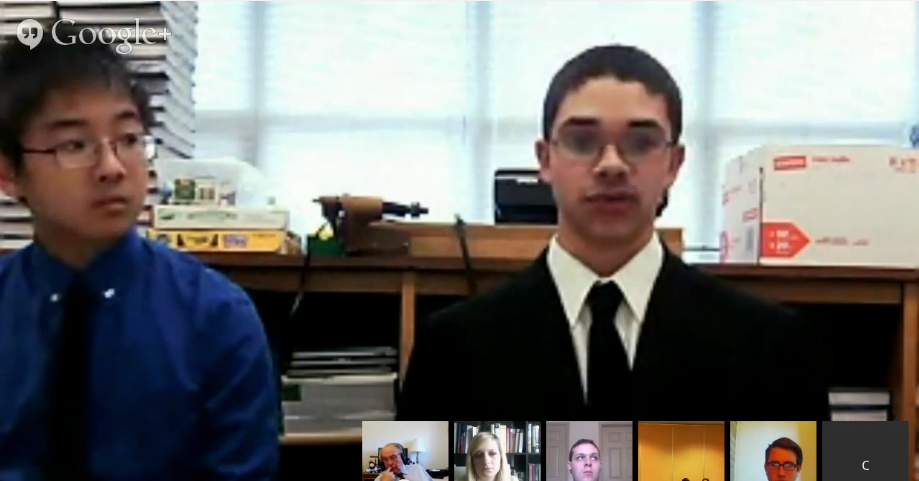 You can watch the video of the semifinals, involving the teams from Wicomoco, Del Valle, and Frisco.
The video of the championship round (broken into two segments) between Wicomoco and Frisco is here:
You can watch the video of the semifinals, involving the teams from Wicomoco, Del Valle, and Frisco.
The video of the championship round (broken into two segments) between Wicomoco and Frisco is here: